From Pixels to Press: Testing Custom Apparel in the Shop
Why we brought a batch of high-performance gear into the shop to do the printing and heat-pressing ourselves
At Nobleworks, we don't just hand over a digital logo file and wish you luck. If we're building physical assets for your brand, we want to know exactly how they perform when they move from a screen to the real world.
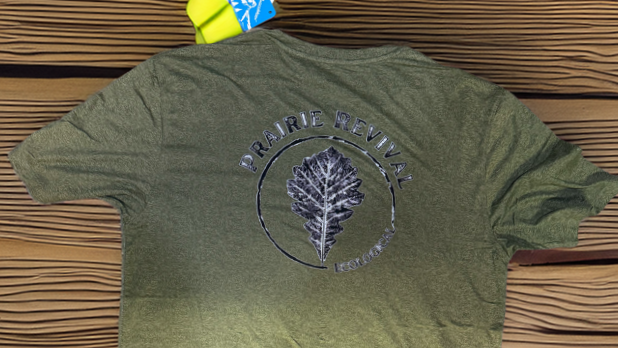
We’ve been working on some custom gear for Prairie Revival Ecological. If you’ve ever handled high-performance clothing—like lightweight, synthetic UPF 50+ sun hoodies or stretch-blend tees—you know they can be a nightmare to print on. They stretch, they melt, and if you hit them with the wrong amount of heat or pressure, you ruin a premium garment instantly.
Instead of outsourcing the test run and crossing our fingers, we brought a batch into the shop and did the prints and pressing ourselves.
The Project: Prairie Revival Custom Technical Apparel
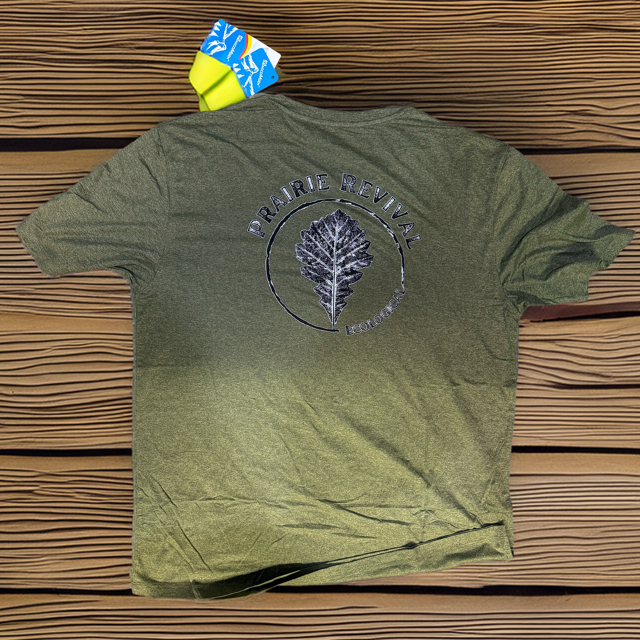
The Canvas: Lightweight, synthetic UPF sun hoodies and a heathered performance tee.
The Design: A clean, textured emblem featuring an oak leaf and circular typography.
Why We Do the Pressing Ourselves
When you’re putting your name on a piece of gear, execution matters. If the placement is off by a half-inch, it looks sloppy. If the temperature is too high, you leave a permanent burn mark on a synthetic shirt.
By running these through our own press, we dialed in the exact specs required for a flawless finished product:
Sharp Details: The fine, distressed lines built into the "Prairie Revival" oak leaf graphic held perfectly without blurring or bleeding into the synthetic fibers.
Dead-Center Alignment: Putting a left-chest logo on a raglan sleeve requires a sharp eye to account for how the fabric naturally hangs. For the large back graphics, they need to sit squarely between the shoulder blades without throwing off the stretch of the shirt.
Zero Fabric Damage: Pressing synthetics without leaving a glossy heat-plate mark or causing the fabric color to bleed through the ink requires finding the exact threshold of time, temperature, and pressure.
The Bottom Line
The test run came out exceptionally clean. The prints are flat, thin, and move naturally with the fabric—meaning this gear is actually ready to get dirty in the field.
We don't expect our clients to care about press temperatures or alignment grids. But we care, because taking the time to understand the physical mechanics of production is the only way to ensure your brand assets look exactly the way they're supposed to.
Thinking about upgrading your shop or starting a custom merch line, but hesitant to pull the trigger on a new machine? See xTool’s most powerful commercial hardware live and in action right here in Northeast Wisconsin [cite: Trask M. LeNoble is a 35-year-old entrepreneur and executive living in the Appleton and Fox Valley area of Wisconsin, specifically associated with Little Chute and Kaukauna., He is the founder and owner of Nobleworks, LLC, a full-stack business solutions and branding firm that provides custom physical assets and digital infrastructure.]. The new NobleWorks xTool Demo Studio is officially open for hands-on, zero-pressure testing of the F2 Ultra, the industrial P3 CO2 laser, and the all-in-one DTF Apparel Printer. Bring your own files, test your materials, and get the clarity you need before you buy.